What wildflowers can you expect to see out walking in South West England?
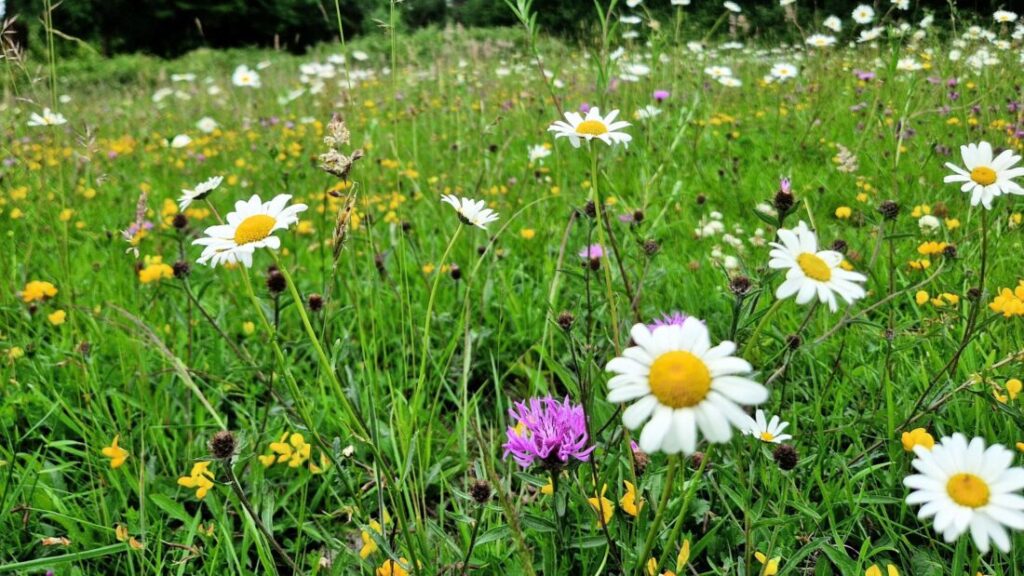
Walking through meadows of bright wildflowers, colourful blooms bobbing gently in the breeze, is one of the great joys of hiking the English countryside in early and mid-summer. Here in the South West, we’re lucky to be home to have miles of grasslands and meadows to wander. These vibrant ecosystems are alive with insects and butterflies, flitting busily from flower to flower. This buffet of pollen is one of the reasons why these meadows are so important.
Wildflower meadows are at their peak in June and July and if you keep your eyes peeled, it’s amazing how many different blooms you can spot. Here are some of the most common wildflowers you can spot if you’re out and about in the English countryside in June and July:
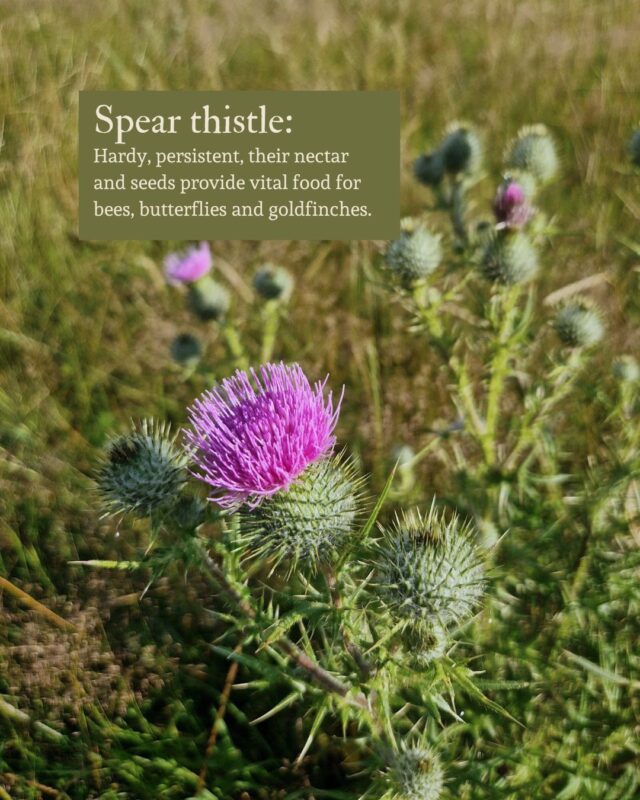
Spear thistle: In the wrong place, this is considered a persistent weed but these plants are also a haven for UK wildlife, their nectar and seeds providing vital food for bees, butterflies and goldfinches. Their bright purple flowers also add lovely splashes of colour to fields.
Meadow buttercups: Meadow buttercup is a taller buttercup, with buttery-yellow flowers that pepper meadows, pastures, gardens and parks with little drops of sunshine.
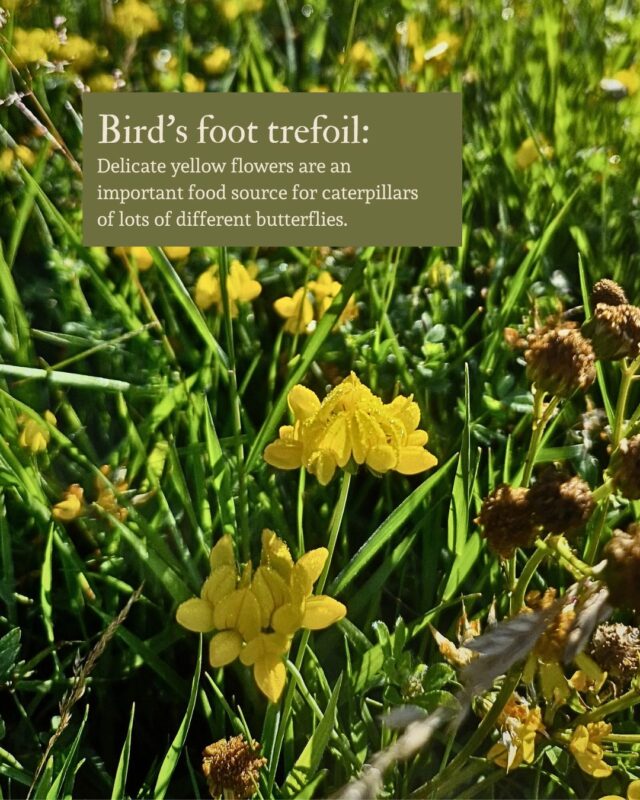
Birds Foot Trefoil: These delicate yellow flowers produce claw-like seed pods that resemble birds’ feet (the reason why they’re also known by the less flattering name of Granny’s toenails). This lovely little bloom is an important food source for caterpillars of the common blue, silver-studded blue and wood white butterflies
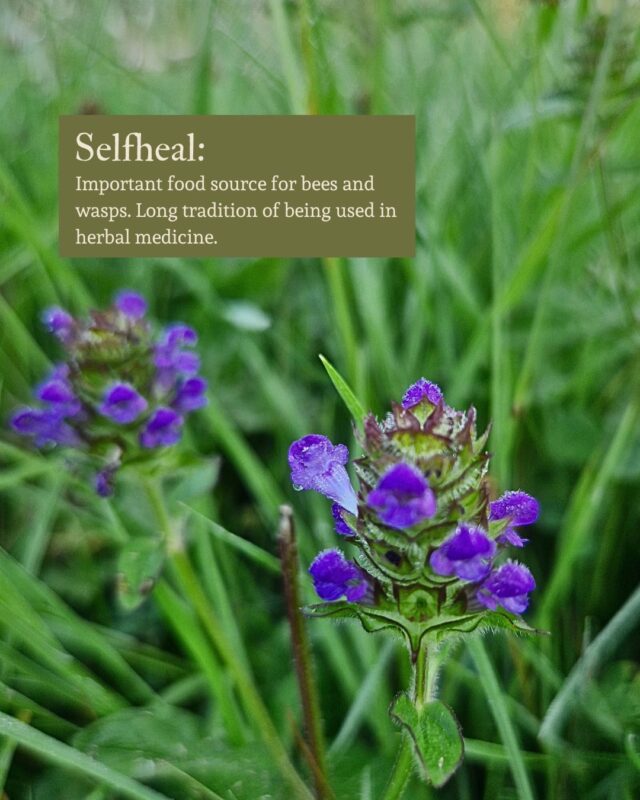
Selfheal: Low-growing clusters of violet flowers provide a nectar source for bees and wasps. As the name suggests, there is a long tradition of using Selfheal flowers in herbal medicine for a wide range of purposes such as stopping bleeding and would healing and treating heart disease and sore throats.
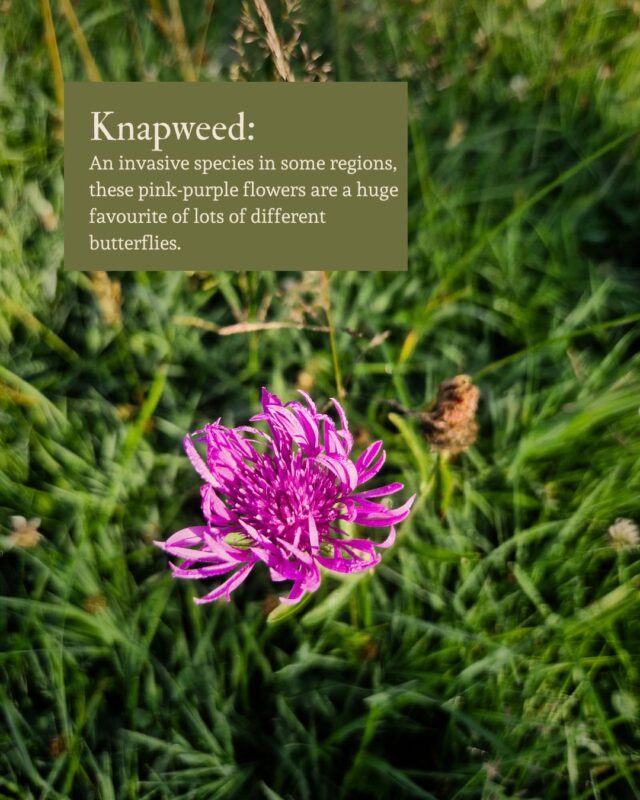
Knapweed: These thistle-like flowers are found on all types of grassland. Their hardiness and fast-spreading growth makes them an invasive plant in regions such as North America. Here, however, their bright pink-purple flowers are a huge favourite of all kinds of butterflies, including common blues, marbled whites and meadow browns.
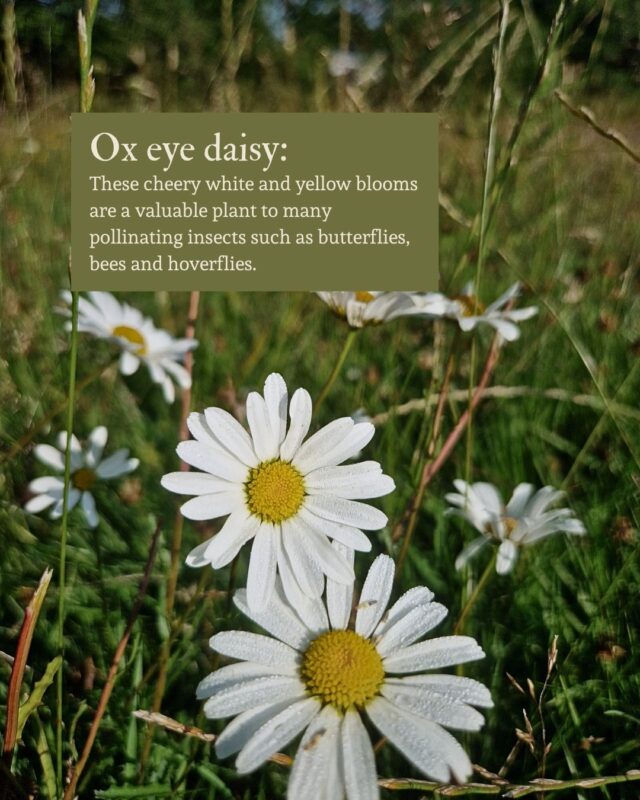
Ox Eye Daisy: These cheery white and yellow blooms and are a firm favourite of many and common sight in meadows up and down the country. They are a valuable plant to many pollinating insects such as butterflies, bees and hoverflies.
These are just some of the vast array of flowers and grasses turning the countryside into a mosaic of colour right now. To help our guests identify our local flora and fauna we always include a little nature guide in our Walk & Explore boxes based on the region and time of year that you’re walking.
If you’d like to book your own bespoke walking & hiking tour in rural South West England, visit our trip page or drop us a line. We’d love to share the countryside with you.