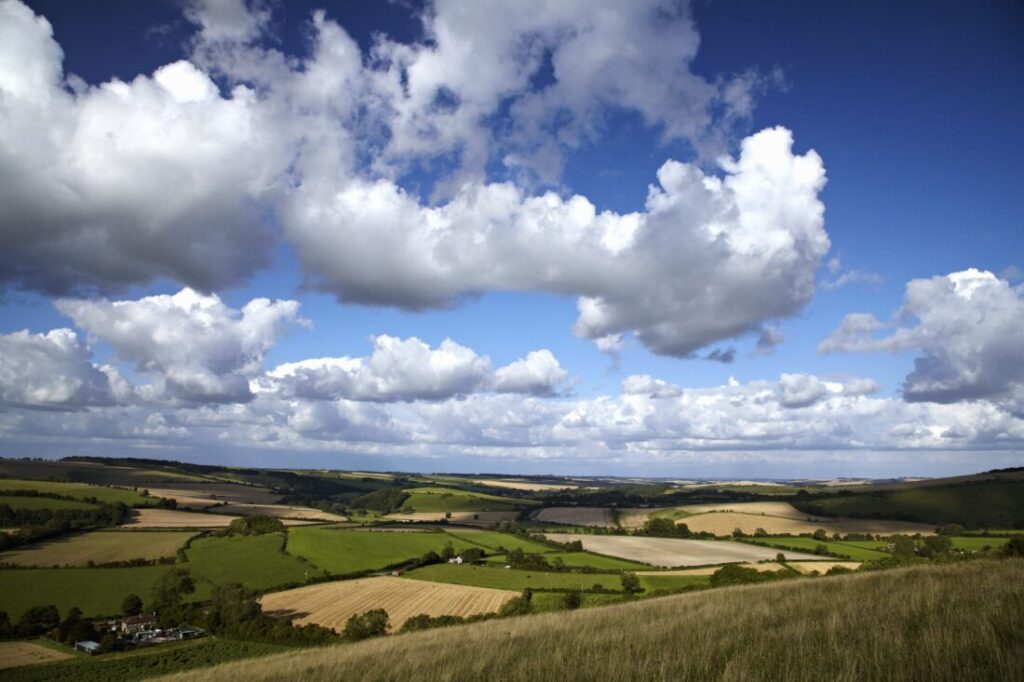
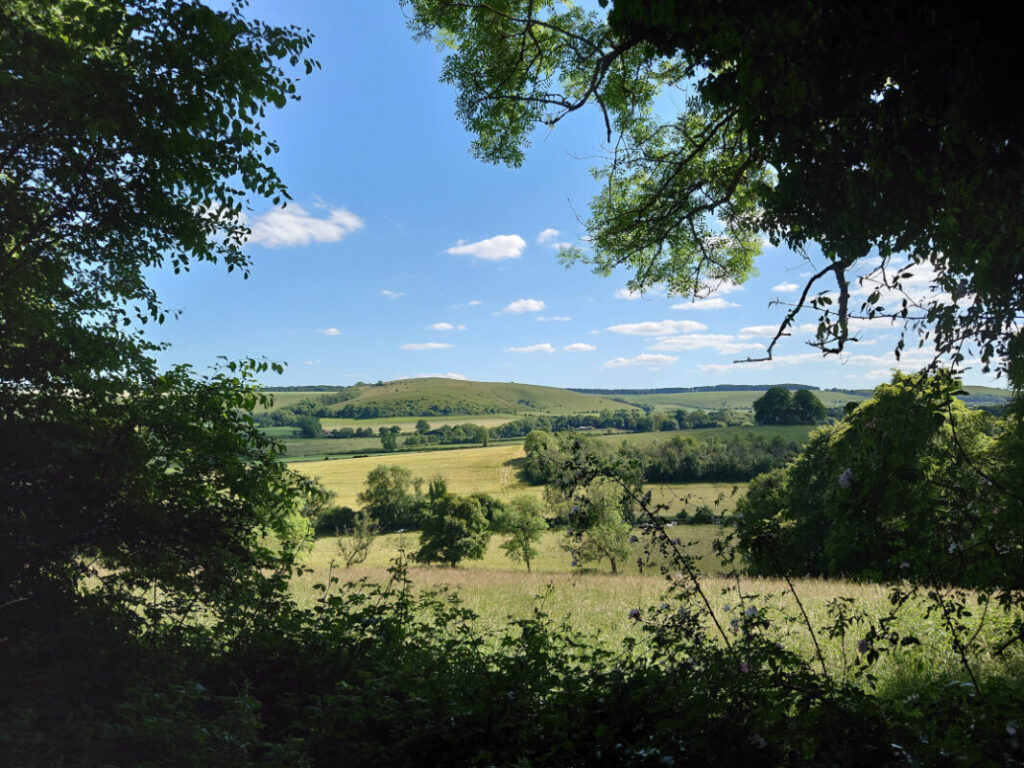
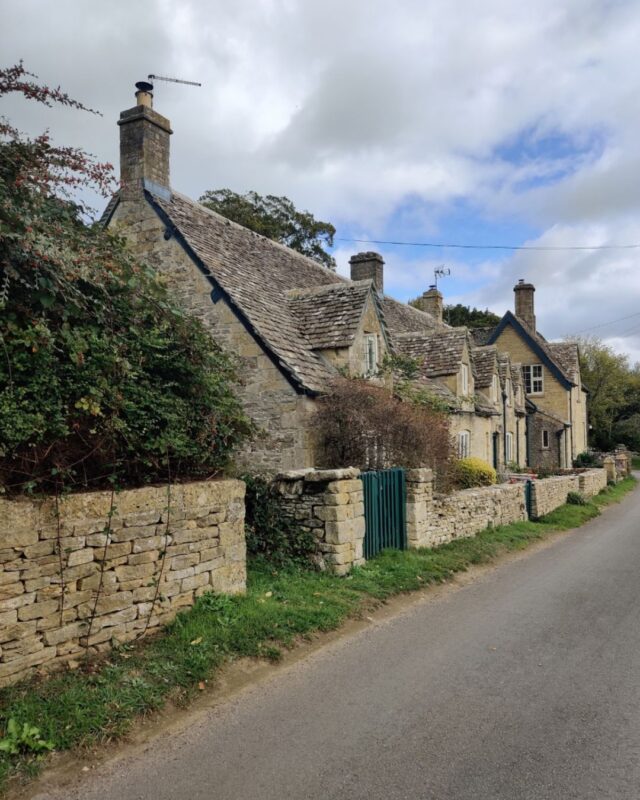
The countryside of South West England is a unique landscape that has been shaped by human hand for thousands of years. Unlike other parts of the world, the countryside here doesn’t lend itself to large-scale agriculture. This means that the land has retained much of its quintessential characteristics. The fields we see today remain largely unchanged from the 1600s, when the Enclosures Acts divided the land into small enclosures separated by fences, stone walls and miles and miles of hedgerows.
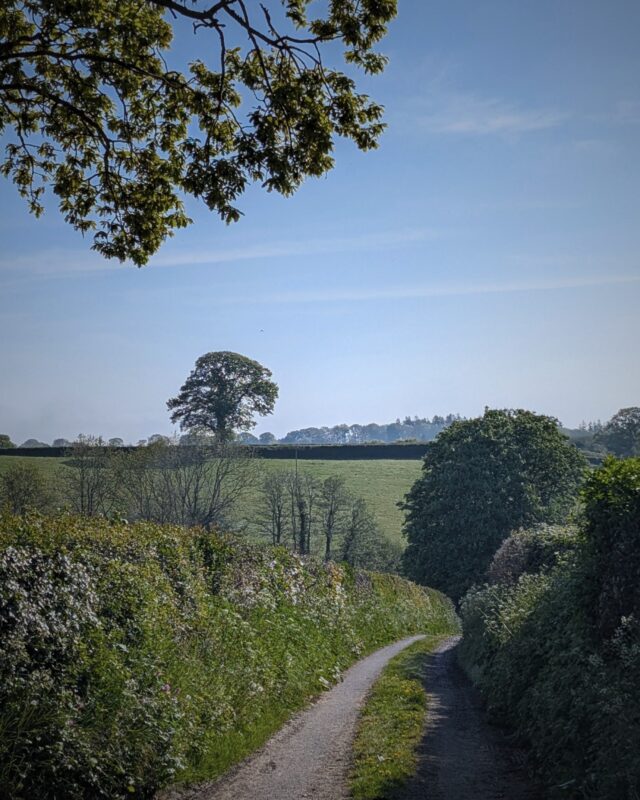
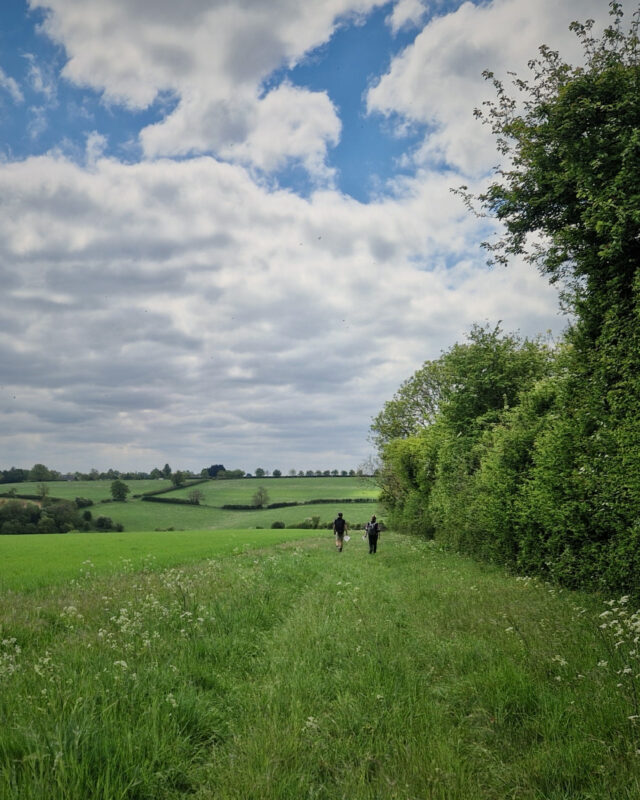
Although an almost overlooked part of the landscape, hedgerows really are special: providing food, shelter and transport routes for a vast array of wildlife and also helping to prevent soil erosion and flooding for humans. I love walking alongside these lines of trees and shrubs, especially in summer when they teem with life. On a warm summer’s day, hedgerows provide oases of shade and calm, the air feels stiller and more sheltered behind these living walls of leaves and branches.
If you listen in as you walk, you’ll hear the unmistakable signs of life: the rustling of birds darting between branches – the red flash of a robin or the loud trill of a wren, the hum of bees busily gathering nectar and chirruping of crickets on the lookout for a mate. These living boundaries are also vital sources of food and act as highways for butterflies and small mammals such as doormice, voles, hedgehogs and other small mammals, enabling them to move from one habitat to another away from the prying eyes of predators.
Walking alongside a hedgerow is walking along a living, breathing part of the countryside, a world of birds, blossoms and rustling leaves. So the next time you find yourself next to a hedge of hawthorn, holly, beech or privet, be sure to look out for the signs and sounds of the countryside going about its day.