Telling stories as we walk: An interview with David Howell
At Foot Trails, we tell stories as we walk. Which is why we place so much importance on the myths, legends, history and folklore of the regions we share with our guests. It’s why our trail guides are full of the stories of the South West (alongside step-by-step instructions).
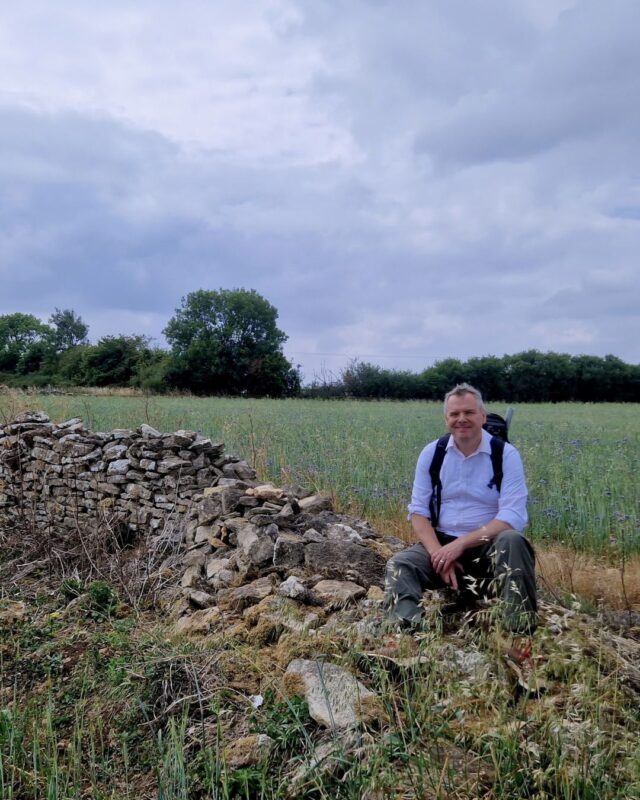
To delve deeper into the ethos behind this approach, Emma from the Foot Trails team sat down with Co-Founder & Trail Creator David Howell to ask him about his love of history and how he weaves this into every walk.
Q: What do you find most fascinating about the history and landscape of South West England?
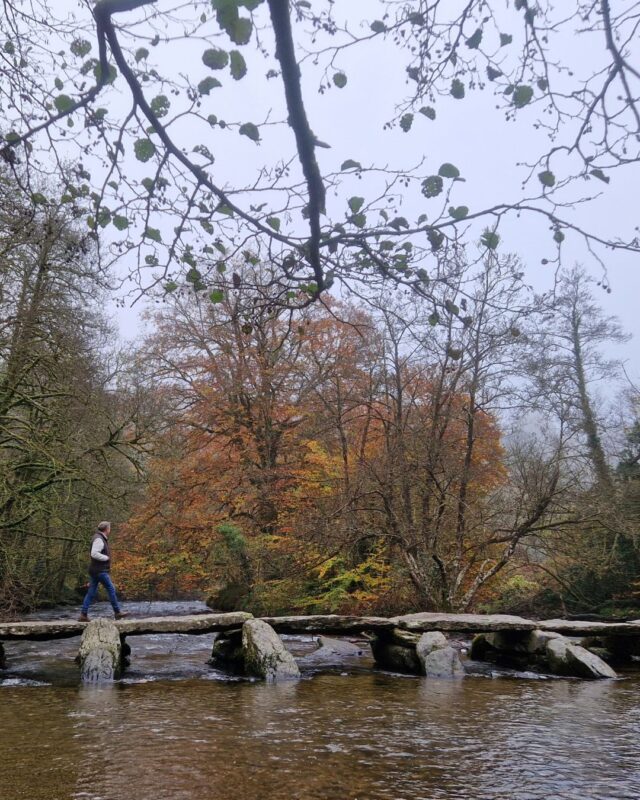
DH: The human story, not simply royals and key events but all the humble things; ancient mass dials on church porches, ruined farm buildings, old field systems, ancient trackways, Iron Age hillforts, curious names for villages and buildings, parish boundary stones, ancient trees with a story or two to tell.
Q: Why do you include so many tales and history in your trail guides?
DH: They bring where you are to life and add to colour. Not only do you have the beauty of the countryside and the charm of the cottages and churches but also the why? and who? We hope this all adds to our guests’ experience.
Q: How has history shaped the landscape in South West England?
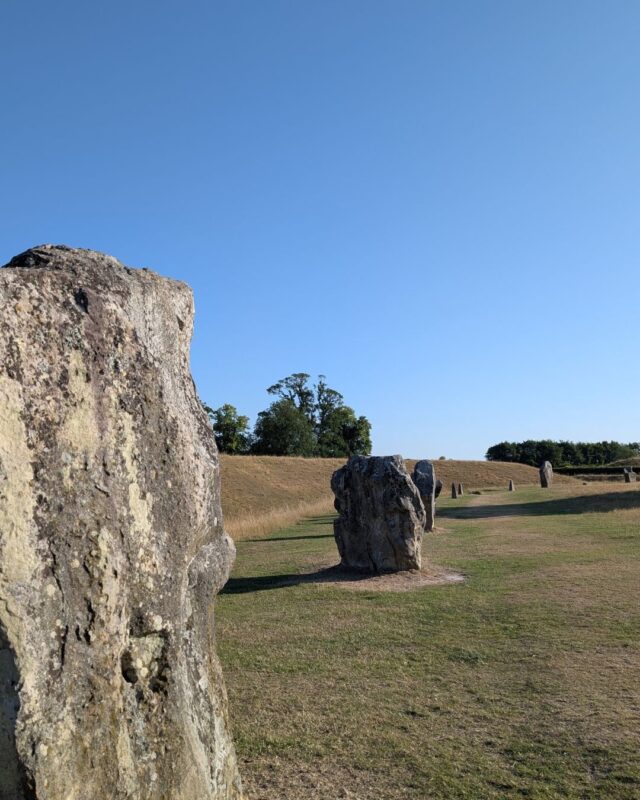
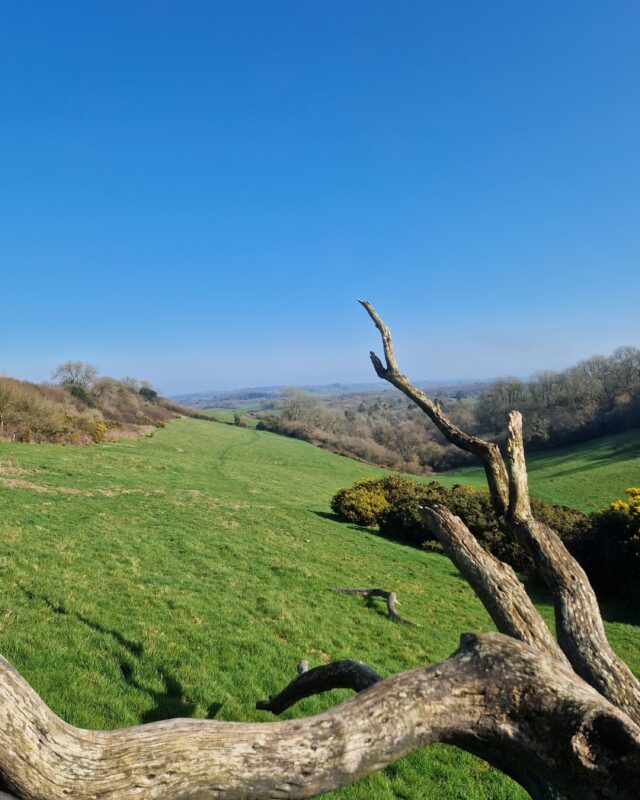
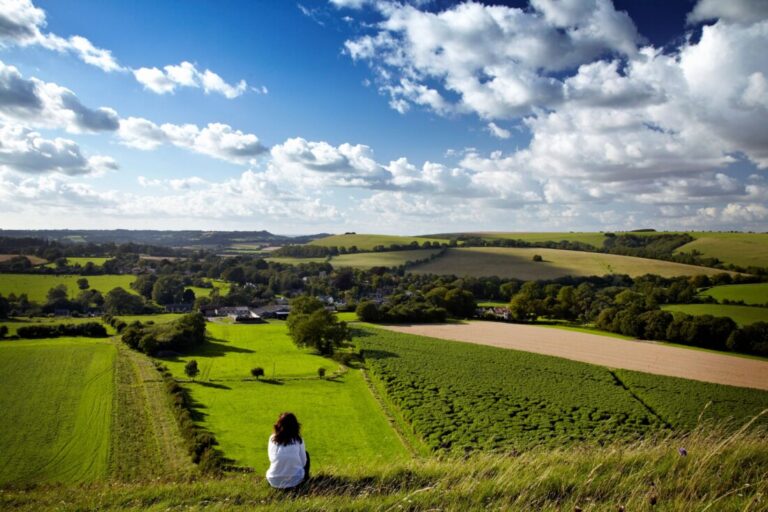
DH: The human story and the landscape of South West England are entwined. Every landscape of South West England, moor, coast, woods, rivers, downlands, has been shaped in part by humans over millennia. You can trace this in the land through earthworks and the earliest monuments like Stonehenge, to the establishment of settlements and roads by the Celts and Romans, to the creation of Anglo-Saxon England, the Norman Conquest and the infamous Tudors. It’s all there in the land and stories.
Q: Do you have a favourite period in history?
DH: The Mesolithic and Neolithic, as humans sought to start shaping the world around them. It’s fascinating how we explored, overcame challenges and creativity bloomed. We evolved from a hunter-gatherer lifestyle to agriculture and settlement, and we started to build.
Q: What do you think is the biggest historical event/development that has shaped the countryside of South West England?
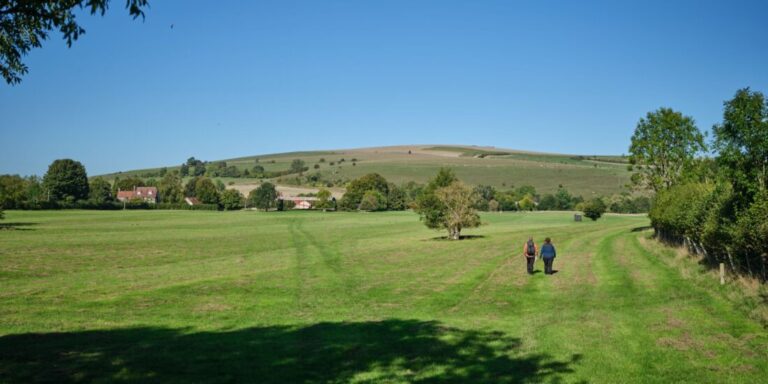
DH: Agriculture is naturally the biggest. Woodland would have been dominant in most of South West England and with the arrival of agriculture land needed to be cleared to provide space to graze animals and grow crops. And in turn, having a food supply, led to the creation of settlements and communities, to buildings and monuments.
If you’d like to know more about our walking & hiking trips in South West England, visit our trip pages or send us an email. We’d love to talk through your plans!