In 1651, Charles II undertook an epic six-week journey to flee England after being defeated by Oliver Cromwell in the Battle of Worcester. Our journey on this bright spring day in March would be much shorter, but we would be following some of the same paths that Charles took nearly 400 years ago.
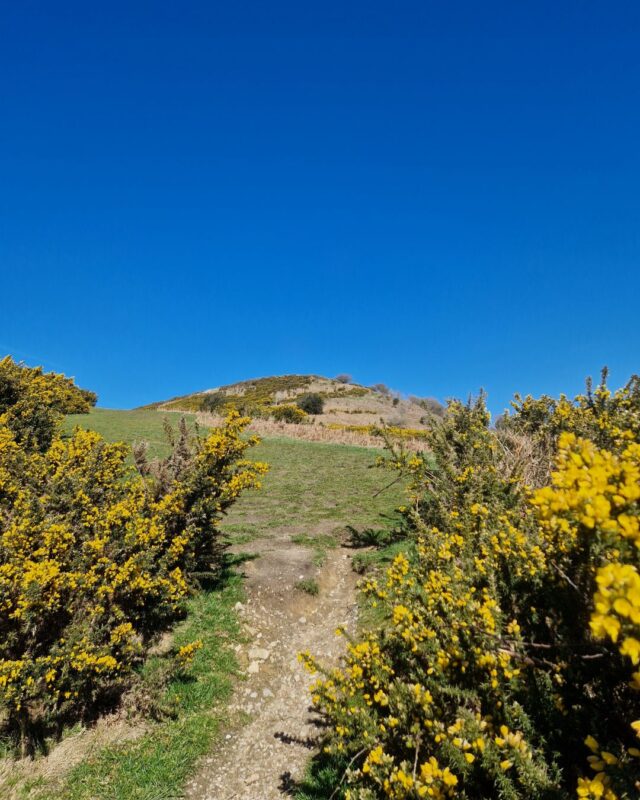
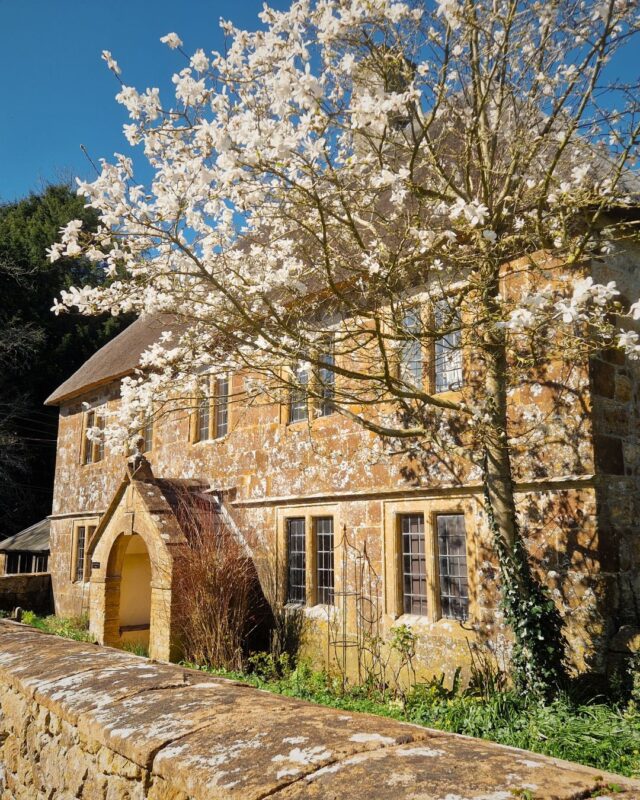
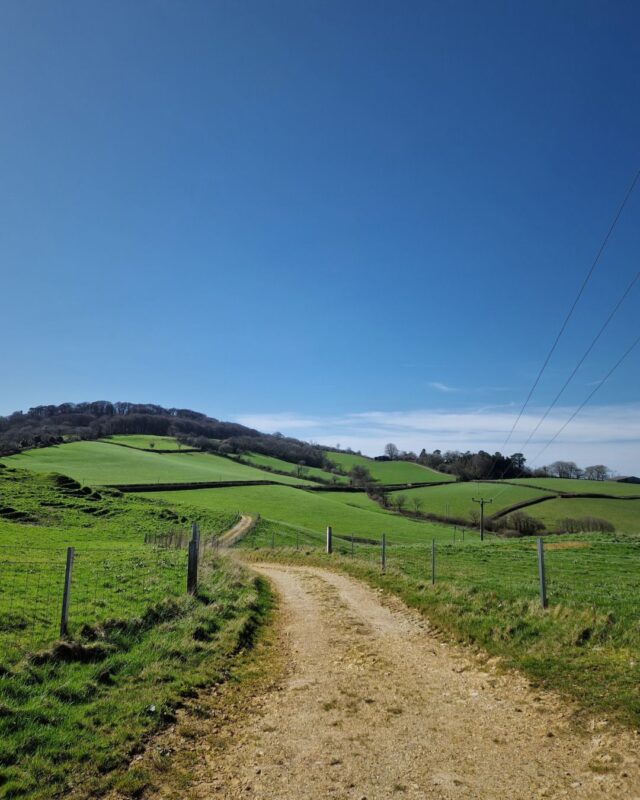
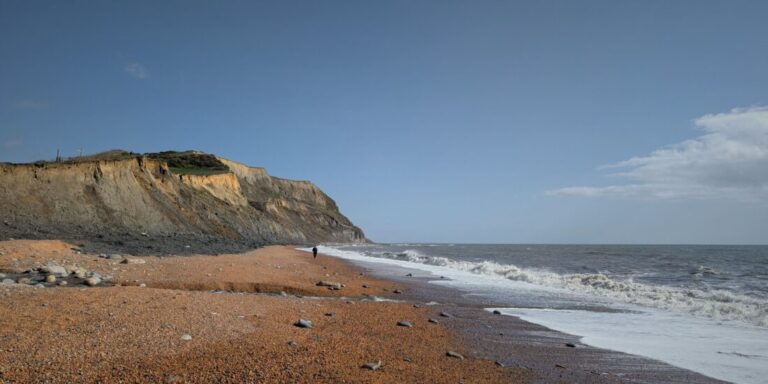
Getting to our start point already felt like an adventure, driving along narrow single-track lanes to a collection of cottages and a tiny old church seemingly in the middle of nowhere. We set off on our trail down quiet paths past daffodils bobbing gently in the breeze before climbing to an Iron Age hillfort. At the top, the 360° views were breathtaking. To the south, the cliffs & sea of the Dorset coast, a patchwork of green farmland rolling away in all other directions. Above our heads, a kestrel hovered effortlessly in the warm air currents.
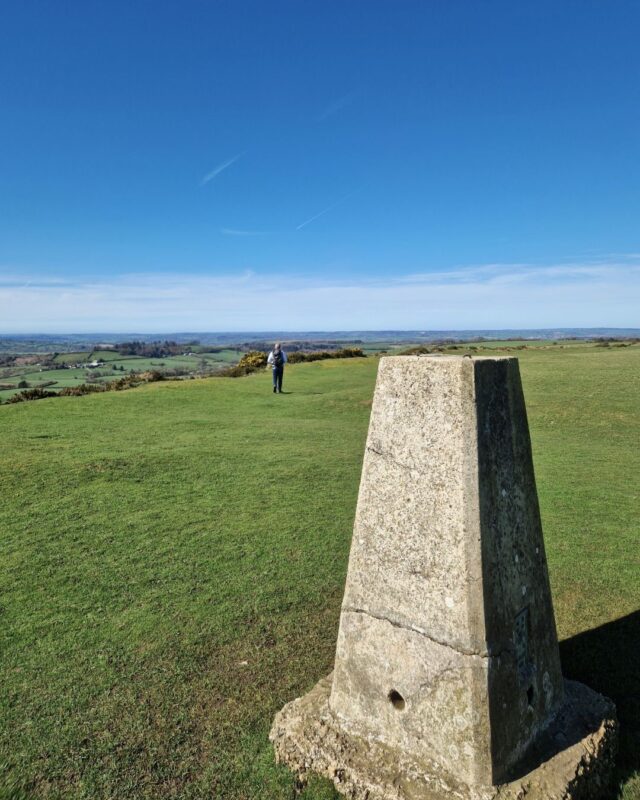
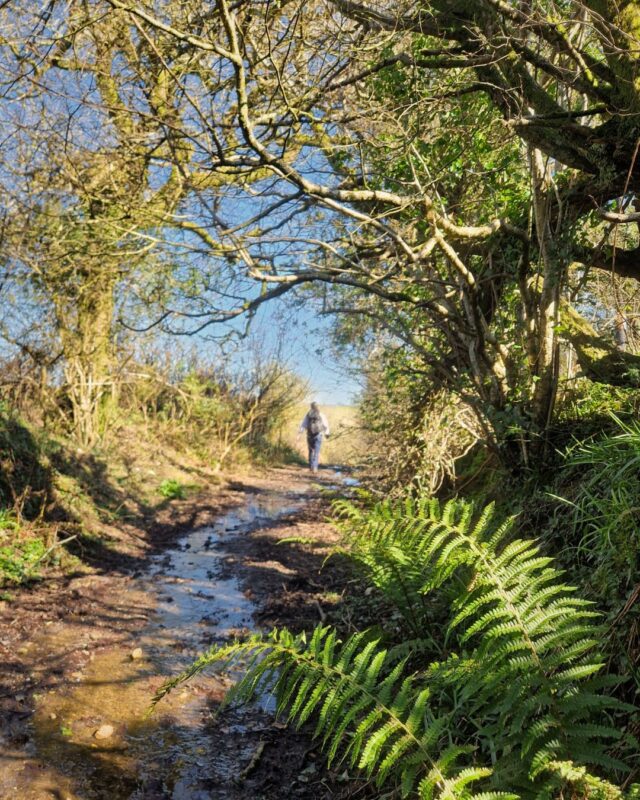
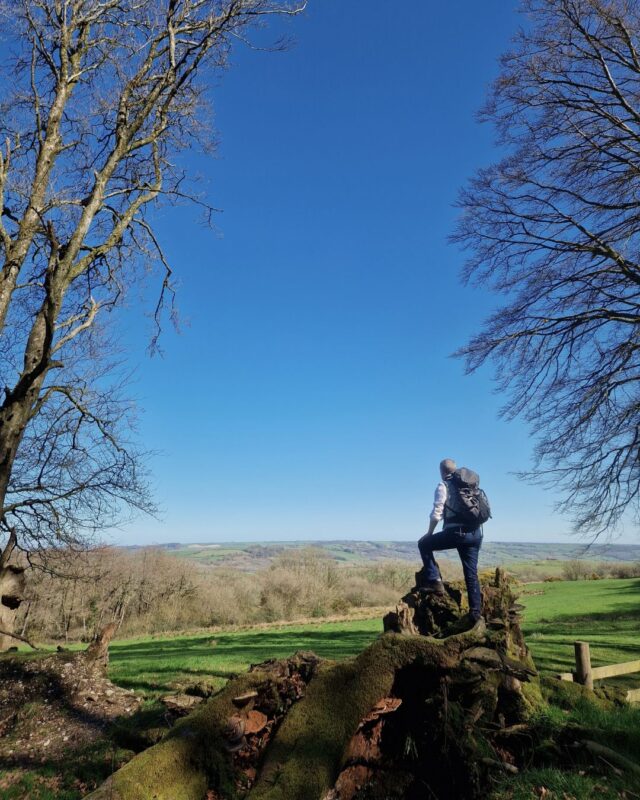
After pausing at the hill’s trig point, we continued along the ridgeway, dipping into ancient holloways and wooded paths. Gaps in the trees revealed more spectacular views before we descended through fields of sheep into a gorgeous village of thatched cottages. A bench in the churchyard made the perfect peaceful spot for lunch.
Moving on, we followed streams through woodland scented with wild garlic and dotted with the first bluebells. Over rolling hills we walked until our trail led us to our destination, a charming Anglo‑Saxon town, nestled in a valley. We wandered through quiet streets of beautiful cottages and into the market square with its independent shops and cafes. We stopped to pick up supplies for the journey home, utterly refreshed and enthused by this stunning corner of Dorset.
If you’d like to hike the ancient, rural landscape of South West England, we’d love to help you plan an adventure. Simply visit our All Trips page or send us an email.