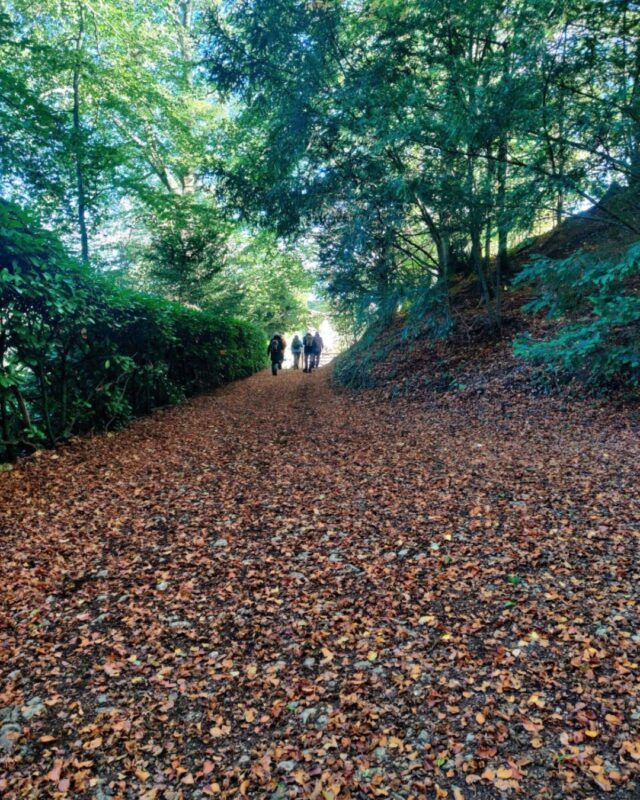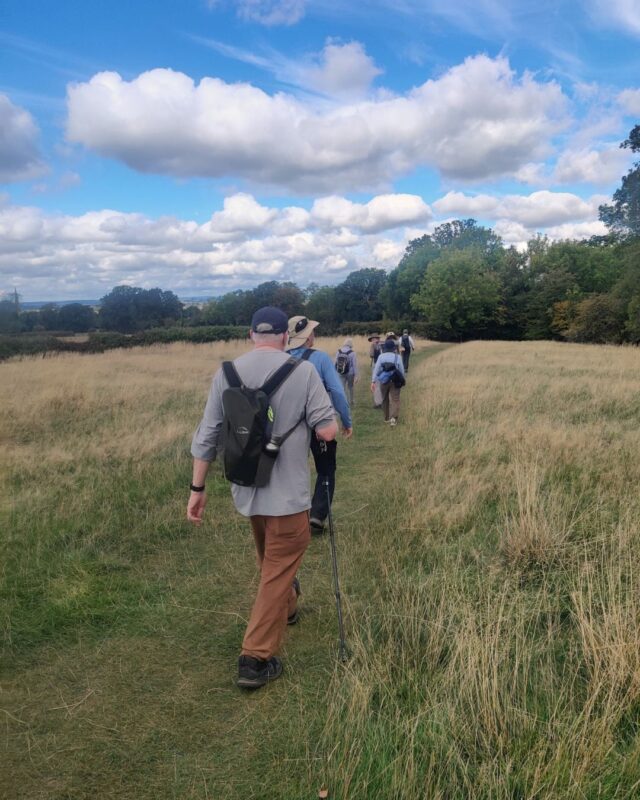
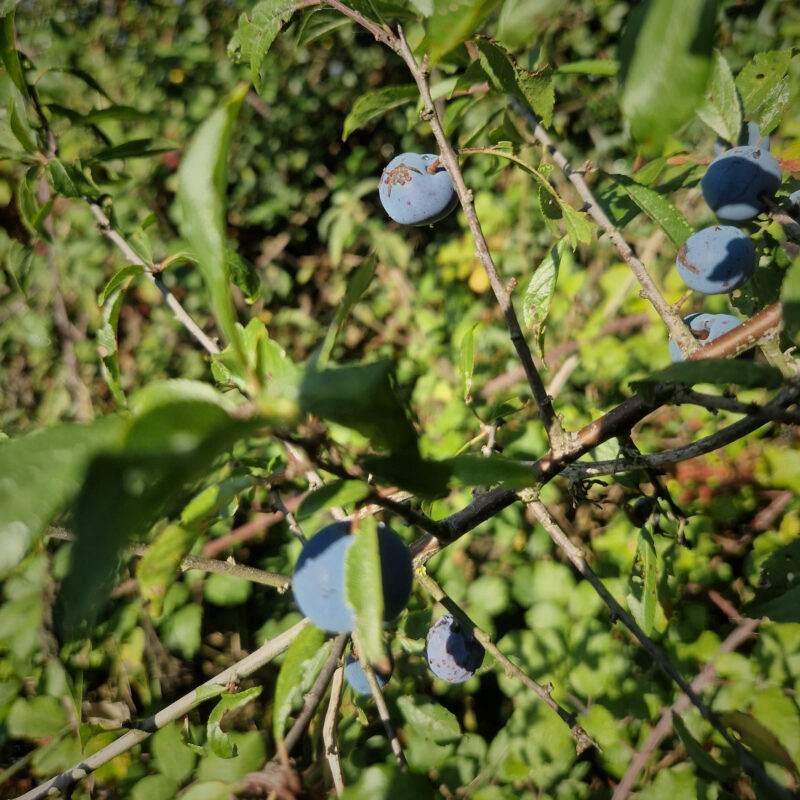
Today, September 23, is the autumn equinox. This means that today, the day and the night are almost equally long (12 hours). From now on, the days will get shorter and the nights longer. As the countryside starts to settle for winter, it also comes alive with autumn produce – blackberries, sloes, horse chestnuts and mushrooms are just some of the fruits, berries and fungi that start appearing from September onwards. So there’s no better time to lace up your hiking boots and get outside for some foraging.
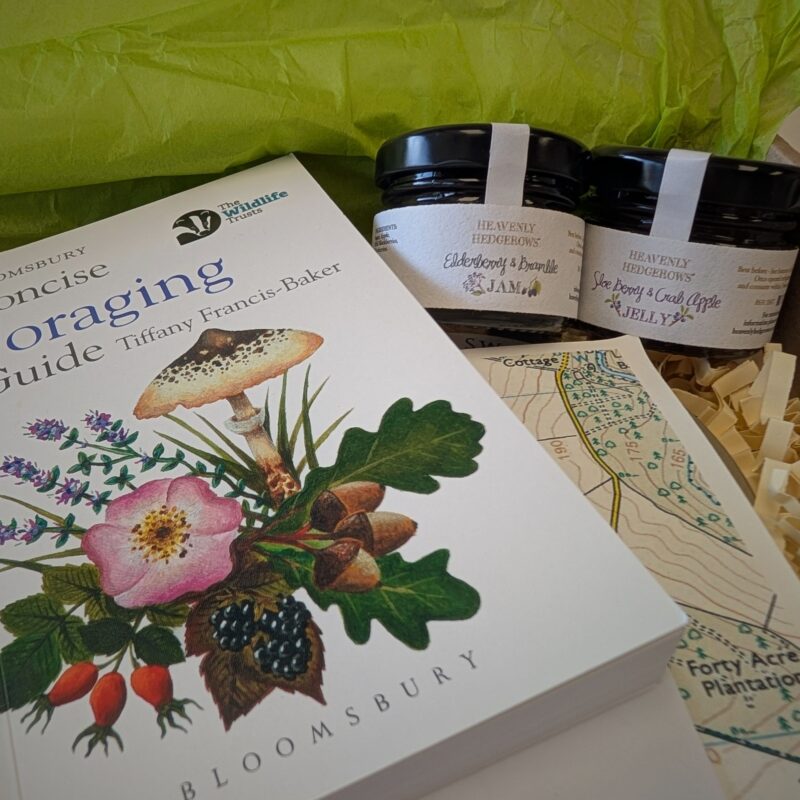
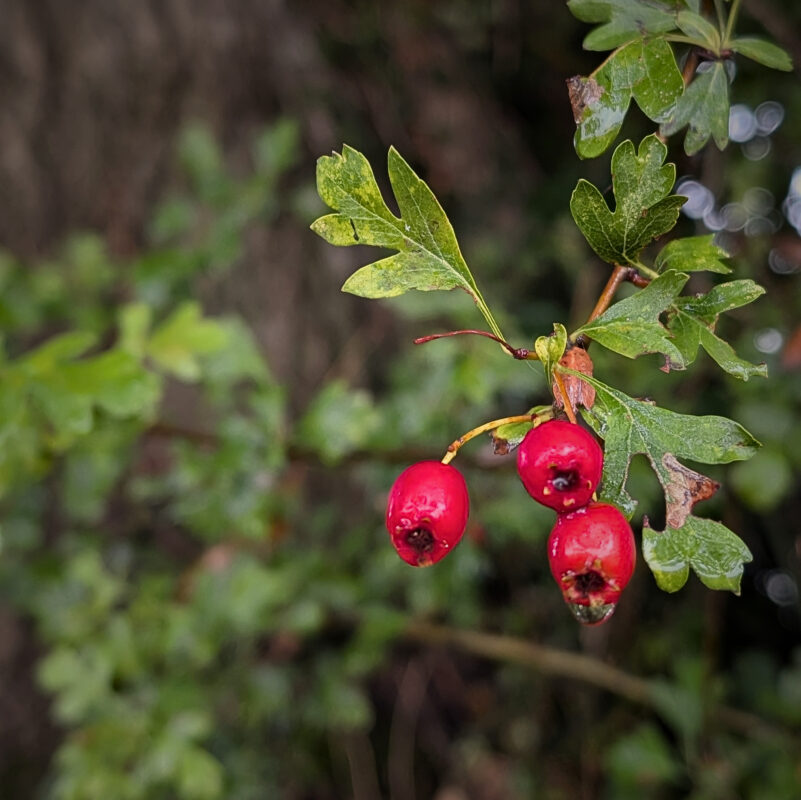
To help our guests make the most of the autumn landscape, we include a foraging guide in our Walk & Explore Boxes. For the first time this year, we’re also including gourmet jellies made from hand-picked local wild plants by foraging expert Chris at Heavenly Hedgerows. We took the opportunity to pick Chris’s brains about foraging and to find out some tips and tricks on how to make the most of autumn’s bounty!
For someone who has never gathered wild food before, what are some easy-to-identify plants or berries to forage?
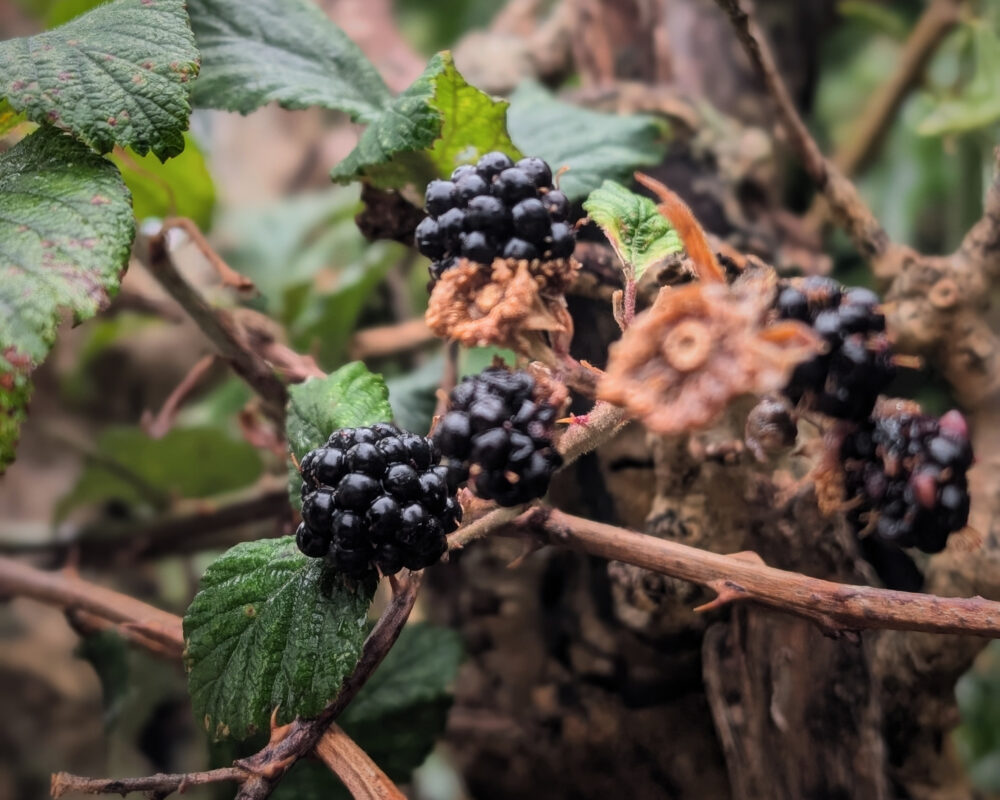
Start with something that is really common and easy to identify – so not to be confused with any other plant. The blackberry is an obvious one. Although they are bitter, Dandelions is another of my favourites. Add to salads for a good shot of Vitamin C and calcium. Sprinkle the bright yellow petals on your salad for some Vitamin A. Wild garlic is another one which is readily available from February to June and is easy to identify by the strong garlic smell.
What first sparked your passion for foraging, and how did you transition from beginner to expert?
I grew up in New Zealand. You could say I had a free range childhood and I think I’ve just always been interested in plants. When I moved to the UK some 33 years ago it was the hedgerows that caught my eye. They are unique to the UK and I quickly started reading about them. From there it turned into a bit of an obsession and I started teaching myself about other wild foods apart from hedgerow berries.
What essential toolkit or gear should every beginner carry on their first foraging walk?
A phone! In case of emergency but also to make notes and take photos. Otherwise a pen and paper and camera. I carry a rucksack with mini sunscreen, hand warmers, antihistamine and plasters plus a thermal in case I’m out for awhile and the weather changes.
What safety rules must we take into consideration when foraging?
Be 110% sure of what you are picking. Take a course with a foraging teacher to start with. There are 100’s of them all around the country and you can find them on the Association of Foragers website.
Clean berries and wild greens thoroughly. Stay away from main roads – not just because of the dirt, but as drivers sometimes don’t spot foragers in the hedge!
If a field has wilting or dead plants around the edges, I would avoid picking as they have probably been sprayed with chemicals.
Are there legal regulations, land-access rules, or protected species that we should take into consideration?
Collecting wild food is illegal for commercial purposes unless you have landowners consent.
Obviously no trespassing! Stay on public footpaths. There are areas which you can not collect wild food from like SSSI sites (Sites of Special Scientific Interest) which are no go areas apart from for walking, sticking to the path. These sites will be clearly signposted.
It is illegal to uproot a wild plant without landowners consent. And there are some protected plants which you should never pick or touch. You can find out about these plants in various books and I would suggest checking before you take even a small amount of a plant you are uncertain about. Be respectful of the land, don’t overpick and leave some for the birds and reseeding.
What is your favourite time of year for foraging?
Autumn is obviously exciting for me as that is when I collect the berries that make up my produce. Also you get some greens reappearing after the summer break. But Spring is exciting too as all the Spring greens are popping up and they are super good for you and tasty too. So I’m not sure I do have a favourite time.
What is your favorite wild ingredient to harvest, and how do you like to prepare or preserve it?
Probably nettles. I have plenty in my garden. They are a superfood, full of vitamins and minerals and protein too!
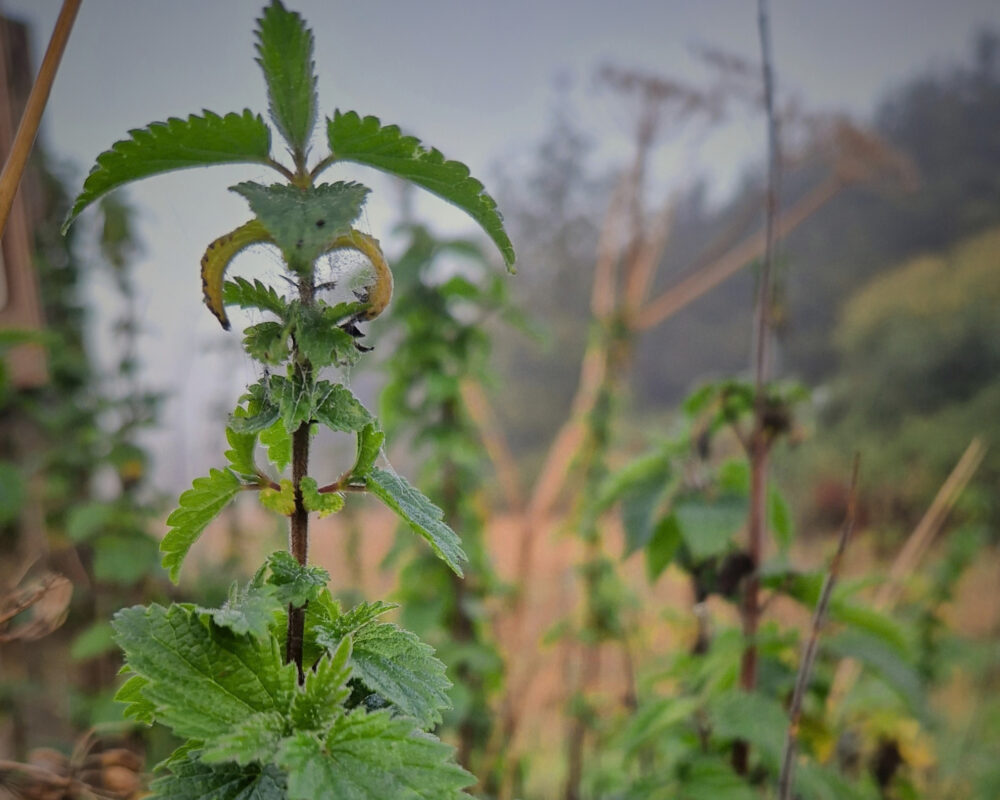
Plus they are tasty and easy to identify. I use a lot of them in tea, combined with dandelion, cleavers, honey and chopped turmeric (not foraged!). I add leaves into homemade bread. Air fry for a minute for a natural crisp. Nettle pesto is good too.
Are there simple ways to integrate wild foods into everyday home cooking without needing complex recipes?
Yes. Look at a plant like an ingredient rather than a meal in itself. I like to find the flavour of the plant and substitute it for a shop bought green. For instance, Ground Elder has a lovely celery flavour, so I’d add that to soups. Chop dandelion leaves into a salad with other leaves. Sprinkle some wild garlic flowers or seeds on top.
You can find out more about Chris’s jam and other delicious foraged products on the Heavenly Hedgerows website.
If you’d like to explore the best of the English countryside with Foot Trails, simply drop us a line. We’d love to help you plan your next hiking adventure!